


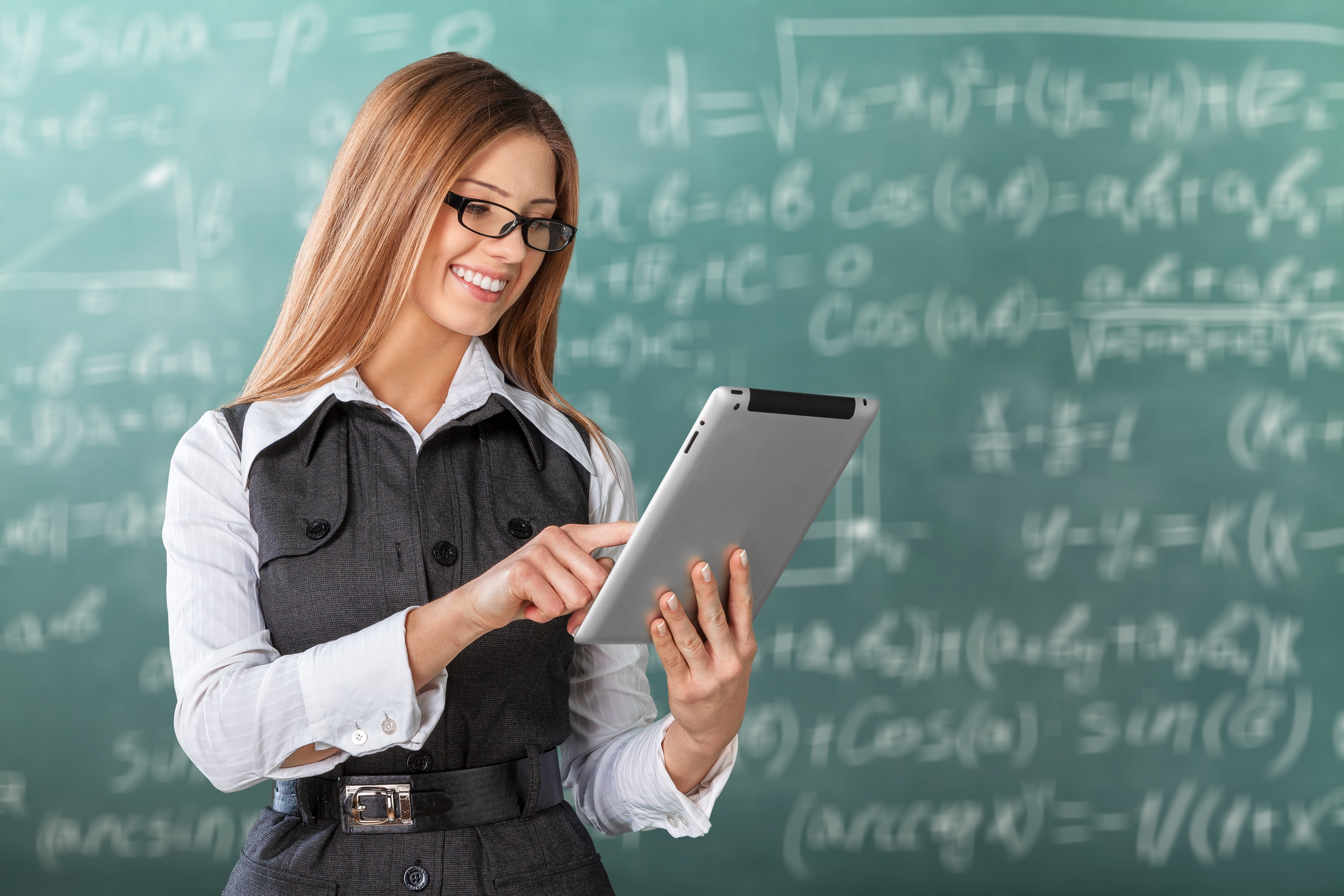
The conversation around artificial intelligence in education is often shaped by concern and uncertainty. Many fear that automation will replace teachers or dilute the human essence of learning. However, the reality unfolding in classrooms across India tells a different story. AI is not replacing teachers. Instead, it is emerging as a powerful support system that enhances teaching effectiveness, reduces administrative burden, and enables more meaningful student engagement.
As education systems evolve, the focus is shifting from whether AI should be used to how it can be used responsibly and effectively alongside teachers.
AI in Indian Education: Support, Not Substitution
India’s education ecosystem operates at an immense scale, with diverse classrooms, multilingual learners, and varying access to resources. In such an environment, AI has been positioned as a support mechanism rather than an instructional authority.
National education initiatives emphasize technology as an enabler that strengthens teaching quality and access. Digital platforms are designed to assist teachers with content delivery, lesson planning, and learner tracking while keeping pedagogical control firmly in human hands. This approach reflects a clear understanding that education is not a purely technical process but a deeply human one.
Reducing Teacher Workload Through Intelligent Assistance
One of the strongest use cases for AI in education is workload reduction. Teachers often spend significant time on repetitive tasks such as lesson planning, assessment preparation, and record maintenance. AI-backed tools can streamline these processes by generating draft lesson structures, organizing learning materials, and summarizing student performance data.
By handling routine tasks, AI frees up valuable time for teachers to focus on instruction, creativity, and student engagement. The teacher remains the decision-maker, using AI-generated insights as support rather than instruction.
Enhancing Personalized Learning Without Replacing Human Judgement
Classrooms in India often include students with varying learning abilities, language backgrounds, and academic needs. AI tools can help identify learning gaps, suggest differentiated activities, and track progress over time. However, interpretation and action still rely on the teacher’s professional judgement.
Teachers understand the emotional, social, and cultural factors that influence learning. While AI can highlight patterns, it cannot fully understand context, motivation, or individual challenges. This makes the teacher’s role not only relevant but essential in turning data into meaningful learning experiences.
Why Teachers Remain Central to the Learning Process
No technology can replace the emotional intelligence, mentorship, and trust that teachers build with their students. In Indian classrooms especially, teachers play multiple roles as educators, mentors, and guides. They motivate learners, manage classroom dynamics, and provide emotional reassurance in ways technology cannot replicate.
AI may assist with content and insights, but it cannot replace empathy, moral guidance, or the human connection that supports student growth. This is why the most effective education models treat AI as a tool, not an authority.
A Balanced Path Forward
The future of education lies in collaboration between human expertise and technological capability. When used thoughtfully, AI can enhance teaching quality, reduce burnout, and support more personalised learning experiences. However, its success depends on responsible implementation, proper teacher training, and a clear understanding of its limitations.
Rather than asking whether AI will replace teachers, the more relevant question is how it can help teachers do their jobs better. The answer lies in positioning AI as a co-pilot that assists, informs, and supports, while the teacher continues to lead the learning journey.


 1st Floor, H-31, Sector 63,
 +91 7898375456