


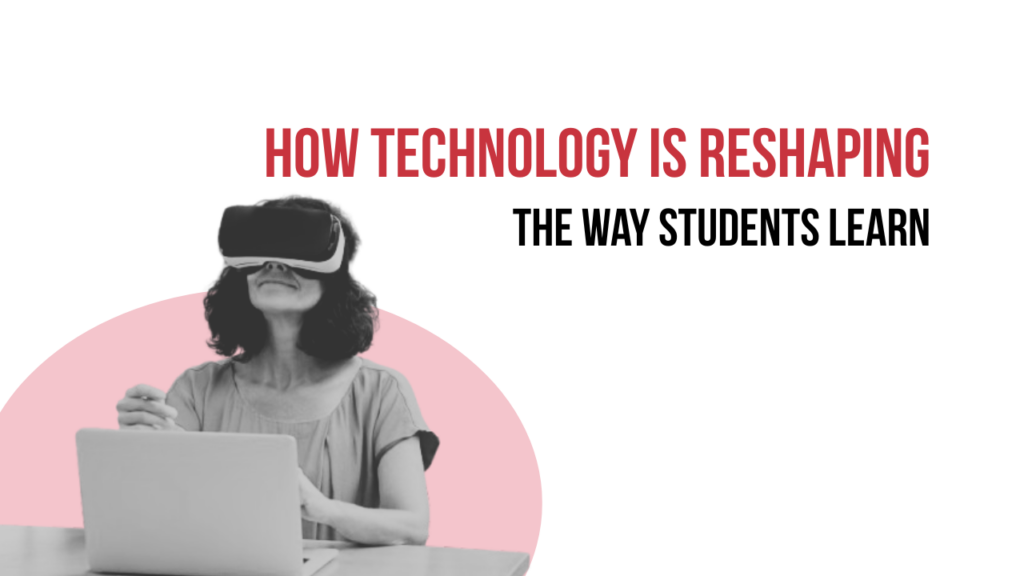
Walk into a classroom today, and you will notice a clear shift in how learning happens. Lessons are no longer limited to textbooks and lectures. Screens, digital platforms, and interactive tools have become a regular part of the learning environment.
This growing presence of technology in classrooms is not just about modernising education. It is changing how students engage with concepts, participate in discussions, and absorb information.
But beyond the tools themselves, the real question is: how does this shift actually influence classroom engagement and learning outcomes?
How to integrate technology in classrooms
Technology integration in classrooms is not about simply adding devices or using digital platforms occasionally. It shows up in how everyday teaching and learning experiences are designed.
In a typical classroom, this could mean a teacher explaining a concept using a short video instead of only verbal instruction, or students solving problems through interactive simulations rather than static worksheets. Assignments may be shared and reviewed through online platforms, allowing quicker feedback and more active participation.
It also changes how students engage during lessons. Instead of passively listening, they are answering live quizzes, contributing to discussions, or collaborating on shared documents in real time.
In this way, technology in classrooms becomes less about the tools themselves and more about creating a learning environment where students are actively involved in the process.
Technology improves classroom engagement
Interactive learning
Teachers today can bring concepts to life using videos, multimedia presentations, educational games, and simulations. Instead of relying only on explanations, they can demonstrate ideas visually and contextually.
Students respond differently in such settings. They are able to see, hear, and interact with the content, which makes even complex topics easier to grasp.
As a result, lessons become more engaging and memorable, helping students stay focused and understand concepts with greater clarity.
Student participation
Digital tools allow teachers to involve every student in the classroom through live quizzes, polls, and discussion platforms. Rather than a few students answering questions, participation becomes more widespread.
Students feel more comfortable sharing their responses, especially when technology reduces the pressure of speaking up in front of the entire class.
This leads to higher involvement during lessons, where more students actively contribute instead of remaining passive observers.
Personalised learning
With the help of adaptive platforms and online resources, teachers can provide learning materials suited to different levels of understanding. Not every student has to follow the same pace or method.
Students can revisit topics, practise at their own speed, or explore additional resources based on their needs.
This flexibility allows learners to build confidence and stay engaged, as they are not left behind or held back by a one-size-fits-all approach.
Collaboration
Teachers can create opportunities for group work through shared documents, online forums, and virtual classrooms. Collaboration is no longer limited to physical group activities.
Students can work together in real time, exchange ideas, and contribute to shared tasks even beyond classroom hours.
This strengthens communication and teamwork skills while keeping students consistently involved in the learning process.
What changes when schools start using technology in classrooms
When students are more involved in the learning process, their interest in the subject naturally increases. They are no longer just completing tasks but actively trying to understand and apply what they learn. This shift builds a stronger sense of curiosity and ownership.
As interest grows, consistency follows. Students are more likely to pay attention, participate regularly, and put effort into their work. This steady involvement helps them retain concepts better and develop deeper understanding over time.
Over a period, this directly reflects their academic progress. Concepts become clearer, problem-solving improves, and overall performance becomes more stable.
In this way, meaningful use of technology in classrooms contributes not just to better classroom experiences, but also to stronger learning outcomes.
In reality, schools struggle with tech integration
While the advantages are clear, the shift is not always easy to manage in practice. Many schools face gaps that go beyond simply adopting new tools.
Infrastructure limitations
In some cases, infrastructure becomes a limiting factor. Devices may be available, but connectivity issues or inconsistent access can disrupt the flow of lessons. This creates an uneven experience for both teachers and students.
Teacher readiness
Teacher readiness is another important aspect. Without proper training, even well-designed tools may be used only at a surface level, reducing their effectiveness in day-to-day teaching.
Lack of structured usage
There is also a challenge of balance. When guidelines are not clearly defined, devices can easily move from learning aids to sources of distraction. The issue is not the presence of technology, but the absence of structure around how it is used.
Unequal access beyond the classroom
Differences in access outside the classroom can affect continuity. Not all students have the same level of exposure or support, which can widen existing gaps in learning.
These challenges highlight an important reality: introducing technology in classrooms is only one part of the process. Ensuring it is used with clarity, consistency, and purpose is what ultimately determines its impact.
Looking ahead: making technology work for learning
The growing role of technology in classrooms reflects a broader shift in how learning is designed and delivered. It has the potential to make lessons more dynamic, inclusive, and responsive to different learning needs.
At the same time, its effectiveness depends on how thoughtfully it is implemented. Simply introducing digital tools does not guarantee better outcomes. What truly matters is how well they are aligned with teaching goals and classroom practices.
When used with clear intent and the right support, tech can strengthen the overall learning experience and help students achieve more meaningful progress.


 1st Floor, H-31, Sector 63,
 +91 7898375456